December 10, 2025 at 10:09 PM
This guide is for UK business owners and fleet managers running 1 to 50 vans. By the end, you will know whether an electric van genuinely fits your routes, what it is likely to cost compared with a diesel van, how to avoid common battery mistakes using the 80/20 rule, and which Maxus e-Deliver models are worth shortlisting.
We will skip the fluffy green slogans and focus on the numbers and practicalities that matter. Real range, payload, charging options, total running costs and grants that can knock thousands off the price. If you want to keep paying ULEZ charges and diesel bills, you can. If you would rather turn those costs into an advantage for your business, read on.
1. Step One: Check the Cold, Hard Numbers
Forget the glossy brochures for a second.
Before you look at any specific van, write down:
- Your average daily mileage
- Your longest regular daily route
- Your typical payload (light, medium, heavy)
- How many hours the van is parked overnight
An electric van is a tool, and it has to fit the job. You need to take a closer look at particular figures for your typical day:
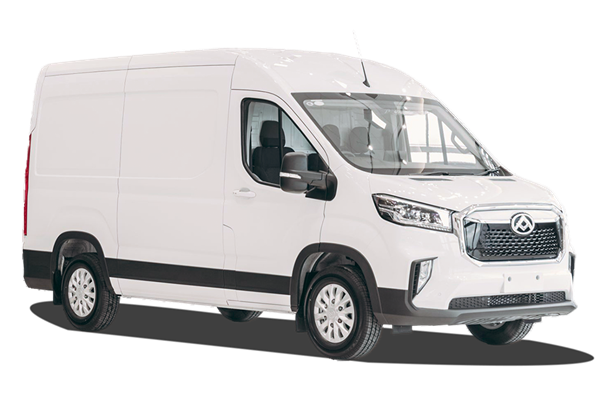
- Daily Range Requirement: The actual distance your current vans cover on an average day. Is it 60 miles? 120? The Maxus e-Deliver 9, for instance, offers a combined WLTP range of up to 185 miles with the largest battery.
- Charging types at a glance: Most urban businesses will only need to charge the Maxus eDeliver9 every few days, not every night.
- AC charging (depot/home, 7–11kW)
- Typical time: 6–12 hours from empty
- Best for: cheap overnight charging on off-peak tariffs
- DC rapid charging (public, 50kW+)
- Typical time: 40–60 minutes to 80%
- Best for: emergency top-ups and occasional long trips
- Payload (The Stuff): Does the electric version carry your stuff? EVs have heavy batteries, which can affect payload. The Maxus eDeliver 9 still hauls a respectable maximum payload of up to 1,200 kg (depending on the battery/model), ensuring you don't have to leave the tool rack at home.
2. The Golden Rule of EV Ownership: The 80/20 Rule
This is the secret to extending your e-Van's battery life and maximising your charging efficiency. Pay attention, this saves you money in the long run.
The 80/20 Rule (or 20-80 Rule) is a best practice for managing the health of your Lithium-ion battery:
For routine daily use, aim to keep your van's battery charge between 20% and 80%.
Why It's the Charger's Gospel:
- Battery Longevity: Lithium-ion cells degrade fastest when they are empty (below 20%) or fully charged (above 80%).
- Do I ever charge to 100%? Yes. Charge to 100% when you have an unusually long day ahead or a long motorway trip. The key is that this should be occasional, not your daily habit.
- Will 80% be enough for my routes? If your van’s WLTP 100% range is 185 miles, 80% still gives you around 140–150 miles for most urban and regional routes, which easily covers a full day with a buffer. Consistently pushing it to 100% puts the battery under chemical stress, accelerating degradation. Sticking to the sweet spot keeps the battery in its prime for longer.
- Rapid Charge Speed: When you use a DC rapid charger (like the 80% charge in 40-45 minutes on a Maxus eDeliver 9), the charging speed drops dramatically after the 80% mark. It’s an electrical slowdown designed to protect the battery. Trying to get that last 20% can take almost as long as getting the first 80%. Don’t waste your time - unplug at 80% and get back to work.
In Practice: Set your charging routine to stop at 80% every night. Only charge to 100% when you know you have a genuine long-term plan.
3. Charging: It's Not as Scary - Focus on the Numbers.
Your daily operation should be built around cheap, slow charging, not public rapid stations.
|
Charging Type |
Where You Do It |
Speed |
Why it Matters |
|
AC (Slow Charging) |
Depot / Home (7kW or 11kW Wallbox) |
6 to 12 hours |
Your primary method. Dead cheap, easy to install, and allows you to charge overnight when the van is parked up and electricity tariffs are low. |
|
DC (Rapid Charging) |
Public Stations (50kW+) |
40-60 minutes to 80% |
Your backup. Great for emergency top-ups or long journeys, but significantly more expensive than depot charging. Use it strategically, observing the 80/20 rule. |
The Maxus Advantage: Maxus e-Vans come with competitive rapid charging capabilities, meaning when you do need a quick fill-up on the road, you’re back in action fast.
4. The Real Financial Upside (Beyond the Fuel Pump)
Yes, you'll save on diesel, but the actual savings are hidden in two other areas:
A. The Government Handout (Plug-in Van Grant)
The government is literally paying you to make the switch. You don't apply for this; we handle it, and the discount is taken off the price before you pay.
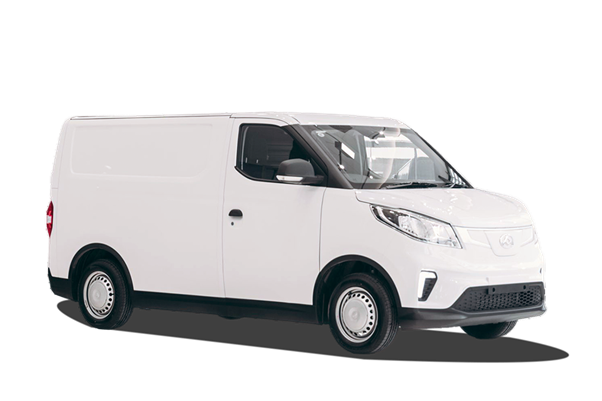
- Small Vans (e.g. Maxus e-Deliver 3): Up to £2,500 off the purchase price.
- Large Vans (e.g. Maxus e-Deliver 9): Up to £5,000 off the purchase price.
(Eligibility depends on the Gross Vehicle Weight, but models like the Maxus range are generally eligible for this discount.)
B. Maintenance and Servicing
A diesel van has thousands of moving parts that wear out: turbos, clutches, oil filters, DPFs... An electric motor has very few.
- Savings: Expect to save 20-40% on routine servicing and enjoy far less downtime due to complex mechanical failures.
- Warranty Peace of Mind: The most expensive component - the battery - is covered by a long manufacturer warranty (typically 8 years or 100,000 miles on Maxus models). If it drops below a certain performance level, it's replaced under warranty. Try getting that cover on a diesel engine.
Conclusion: Stop Paying the Price of Hesitation
Emissions zones are expanding, fuel prices are unpredictable, and customers are increasingly asking how their suppliers are cutting emissions. Waiting another year to “see what happens” is no longer a neutral choice. It is a decision to keep paying more than you need to.
Making the switch to an electric van is not about signing up to a cause. It is about protecting your margins while running cleaner, quieter vehicles that your drivers are happier to use. Understand your daily miles and payloads, choose a van with honest range in hand, manage your battery with the 80/20 rule and take advantage of the available grant funding while it lasts.
Ready to stop worrying about ULEZ penalties and start profiting from cheaper, more predictable running costs? Please send us your typical routes and daily mileage. We will show you which Maxus eDeliver models can handle your work, what they are likely to cost over their life and how soon the switch could pay for itself for your business.
Please speak to us today to see how much a Maxus eDeliver model could save your business this year.